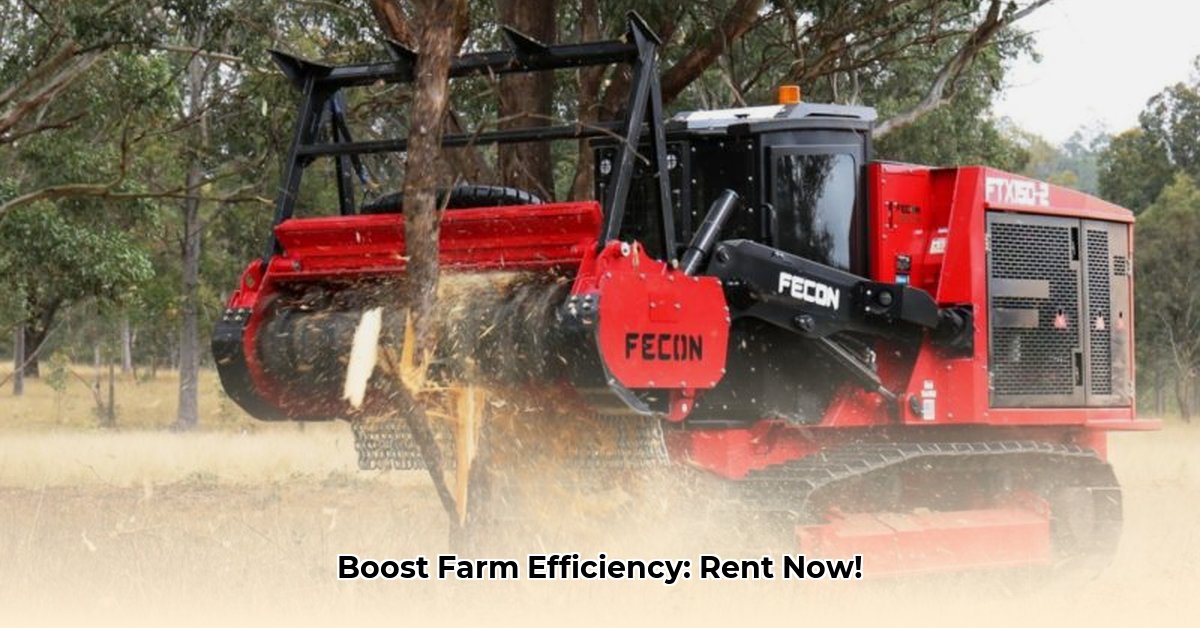
Thinking about streamlining your farm operations and embracing eco-friendly practices? Renting a mulching tractor could be the perfect solution. This comprehensive guide explores the benefits, costs, and practical steps involved in renting these powerful machines, ensuring you make informed decisions for your farm's success. For larger-scale projects, you might also consider tractor trailer rental costs.
Why Rent a Mulching Tractor?
Purchasing heavy-duty equipment like a mulching tractor represents a substantial financial investment. Beyond the initial cost, you face ongoing expenses for storage, maintenance, and repairs. Renting eliminates these long-term burdens. You only pay for the machine when you need it, freeing up capital for other crucial farm investments like seeds, fertilizer, or livestock. This flexibility makes renting an appealing option for various farm sizes and project needs.
The Advantages of Mulching
Mulching offers far more than just clearing brush. It's a cornerstone of sustainable agriculture, transforming soil health and boosting productivity. The process shreds vegetation, leaving the resulting organic matter to decompose naturally. This enriches the soil, improving its structure, increasing water retention, and reducing the need for chemical fertilizers. The end result? Healthier plants, increased yields, and a more environmentally friendly farming practice. This translates to both economic and environmental benefits – a win-win situation for your farm and the planet.
How Mulching Tractors Work
Mulching tractors efficiently chop vegetation, transforming unwanted plants and brush into fine mulch. This finely-ground material serves as a natural fertilizer, improving soil health and reducing erosion. The appropriate tractor size and type depend on the specific task. Factors to consider include the scale of the project, the density of the vegetation, and the type of plants being mulched. Consulting with your rental provider ensures you choose the right equipment for optimal results and avoids unnecessary expenses.
Finding the Ideal Mulching Tractor Rental: A Step-by-Step Guide
Securing the right mulching tractor rental is straightforward. Follow these steps for a smooth and efficient process:
Assess Your Needs: Carefully evaluate your land area, the vegetation type, and the scope of your mulching project. This determines the required tractor size and power. Your rental provider can assist you in this critical assessment.
Compare Rental Providers: Don't settle for the first option you encounter. Research multiple rental companies, compare prices, and examine their reputations. Consider factors such as maintenance services, insurance coverage, and customer reviews.
Thorough Pre-Rental Inspection: Before signing any agreement, meticulously inspect the tractor. Ensure it's in optimal working condition and address any concerns with the rental provider. A pre-rental checkup averts potential problems during the rental period.
Ensure Adequate Training or Hire an Expert: Safe and efficient mulching tractor operation is paramount. Many rental companies provide operator training. Alternatively, consider hiring an experienced operator, especially if you lack familiarity with heavy machinery.
Understanding the Costs
While renting avoids the hefty upfront investment of purchasing a new mulching tractor, remember to factor in additional expenses. These include fuel costs, potential maintenance (even with rental companies handling most issues, unexpected problems can arise), and transportation costs to and from the rental location. A thorough budget analysis prevents financial surprises and guides your decision-making process.
Potential Challenges
Renting offers flexibility, but it's crucial to anticipate potential drawbacks:
Availability: Popular equipment can be quickly booked, especially during peak seasons. Plan ahead and make reservations well in advance.
Equipment Malfunctions: While rental companies usually provide maintenance, mechanical issues might occur. Have a backup plan to minimize project delays.
Transportation Costs: Consider the distance between the rental location and your farm. Transportation expenses can significantly impact the overall cost.
Mulching: A Sustainable Farming Practice
Mulching is a sustainable farming approach that enhances productivity while minimizing environmental impact. It reduces soil erosion, minimizes the need for chemical fertilizers, and lowers your farm's carbon footprint. By promoting healthy soil and reducing reliance on artificial inputs, mulching aligns with environmentally responsible farming practices.
Risk Assessment Matrix
Responsible land management requires careful risk assessment. The following matrix highlights potential risks and mitigation strategies:
| Risk Factor | Likelihood | Impact | Mitigation |
|---|---|---|---|
| Equipment Malfunction | Low | Medium | Pre-rental inspection; backup equipment plan |
| Inadequate Operator Training | Medium | High | Proper training; experienced operator; safety videos |
| Unforeseen Weather Delays | Medium | Medium | Flexible scheduling; weather monitoring |
| Rental Provider Unreliability | Low | Medium | Thorough research; contracts; multiple quotes |
Choosing the Right Forestry Mulcher Rental for Sustainable Land Management
Several key aspects influence efficient and sustainable land management with a forestry mulcher. Proper selection, operator training, and regulatory compliance are all crucial to success.
Key Considerations:
Project Scope and Vegetation: Accurately assess the project size and the types of vegetation you are mulching. This will directly determine the appropriate mulcher size and power.
Mulcher Specifications: Understand the different types of mulchers available, considering drum styles, tooth types, and hydraulic flow requirements.
Rental Company Selection: Choose a reliable rental company with a proven track record, offering well-maintained equipment and excellent customer support. Thoroughly research reputations and read online reviews.
Operator Training: Prioritize comprehensive operator training to ensure safe and efficient operation, minimizing the risk of accidents and equipment damage.
Environmental Impact and Regulations: Adhere to all environmental regulations and disposal guidelines. The proper disposal of mulch is crucial for sustainable land management.
Cost-Benefit Analysis: Compare rental costs with the potential long-term benefits of ownership depending on the frequency and scale of your mulching needs.
Step-by-Step Rental Process:
- Thoroughly assess your project's scale and the specific vegetation involved.
- Research various mulcher types and their respective specifications to find the ideal match for your needs.
- Obtain quotes from multiple reputable rental providers, comparing both prices and their levels of service.
- Ensure that your chosen operator receives comprehensive training in safe mulcher operation.
- Verify that your planned work is compliant with all relevant environmental regulations and permits.
- Perform a pre-rental inspection of the equipment to identify any potential issues before commencing operations.
- Establish a detailed and safe operating procedure to protect both personnel and equipment.
- Implement a proper mulch disposal plan that complies with all environmental regulations.